
You load the washing machine, add detergent, select a cycle and expect clean, fresh clothes at the other end. Most days, that's exactly what happens. But sometimes a collar still looks dull, a towel doesn't smell quite fresh, or yesterday's stain comes out looking suspiciously like yesterday's stain.
Before blaming the detergent or assuming your washing machine isn't doing its job, take a closer look at how you're using it.
Good wash results depend on more than the machine itself. The size of the load, the wash program, how you sort your laundry, detergent quantity and even regular machine maintenance can all affect how clean your clothes come out.
A few small changes to your laundry routine can make a noticeable difference. Here are some practical ways to get more from every wash.
It is tempting to squeeze in that last pair of jeans instead of running another load. But filling the drum to its limit can work against you.
Clothes need room to move during a wash. This movement helps water and detergent travel through the fabric and loosen dirt. When the drum is packed too tightly, clothes can bunch together and detergent may not circulate evenly.
Instead of pressing clothes down to make space, leave enough room for the laundry to move freely.
Heavy items deserve extra attention too. Towels, bedsheets and jeans become considerably heavier once they absorb water. Mixing too many of these with lighter everyday clothes can make it harder for the entire load to wash evenly.
If overloading happens regularly because your household generates a lot of laundry, the issue may actually be capacity rather than technique. Choosing a washing machine that suits your family's laundry volume can make everyday washing easier.
If you're unsure what size you need, our upcoming guide on How to Choose Washing Machine Capacity will break down capacities based on household size and washing habits.
More detergent does not automatically mean cleaner clothes.
Using too much can create excess foam and leave detergent residue on clothes, particularly when the amount isn't suited to the load or water level. Clothes may come out feeling stiff or require additional rinsing.
Too little detergent creates the opposite problem. There may not be enough cleaning action to deal with sweat, oil and dirt.
Start with the dosage recommended by your detergent manufacturer and adjust it according to:
For a lightly worn everyday load, you may not need the same amount of detergent as you would for muddy children's clothes or heavily used towels.
The goal isn't maximum foam. It's the right detergent-to-laundry balance.
If you use the same wash setting for every load, you may be missing one of the easiest ways to improve wash quality.
A cotton shirt, a delicate kurta, bedsheets and heavily soiled jeans don't need exactly the same treatment.
Wash programs change factors such as cycle duration, agitation and spin behaviour to suit different laundry needs. Depending on your washing machine, you may have options for everyday washing, quick washes, delicate garments, soaking, heavier loads or other specific requirements.
Before choosing your usual setting out of habit, consider what is actually inside the drum.
A Quick Wash, for example, can be useful for a small load of lightly worn clothes when you're short on time. Clothes with stubborn stains or heavier soil may benefit from a longer or more intensive cycle.
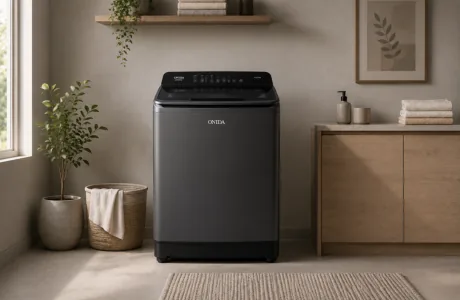
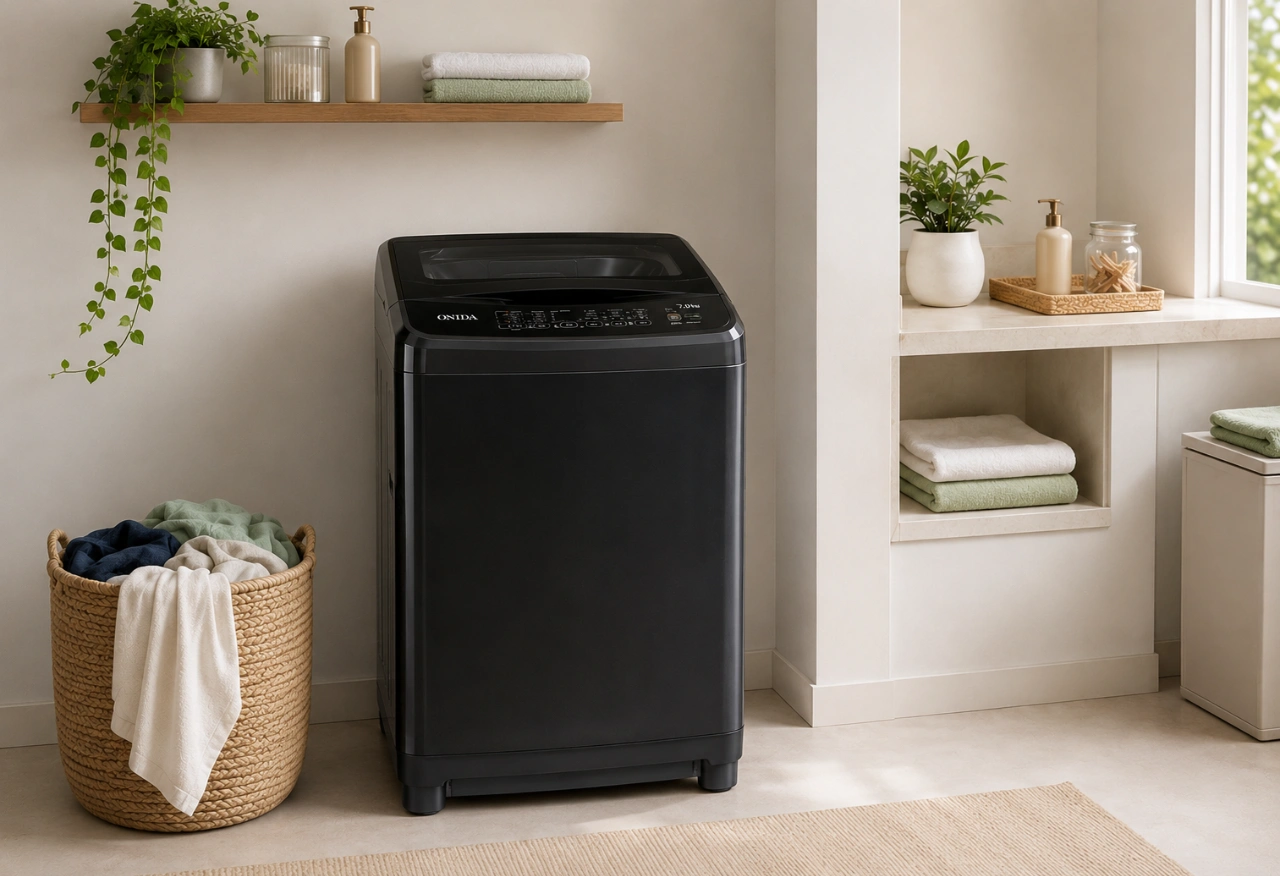
Onida's current fully automatic top load range includes models with multiple cycle options. The Crystal 7 KG 5 Star Fully Automatic Top Load Washing Machine, for example, offers Normal Wash, Eco Wash, Quick Wash, Saree, Soak & Wash and other cycle options. Choosing the program that fits the load gives the machine a better chance to do what it was designed to do.
Explore the Onida fully automatic top load washing machine range to see the available capacities and wash features.
Whites on one side, colours on the other. That's a good start, but sorting laundry by colour alone isn't always enough.
Think about fabric weight too.
A load containing lightweight T-shirts, heavy jeans and thick towels asks the same wash cycle to handle very different fabrics. Washing similar fabric weights together allows them to move more evenly through the cycle.
Also consider how dirty the clothes are. A lightly worn office shirt doesn't necessarily belong in the same load as a mud-covered pair of trousers.
Before washing:
Always check the garment's care label before washing, particularly with delicate fabrics.
Your washing machine is designed to wash an entire load. It can't always give one stubborn spot the individual attention it needs.
If you notice a stain, deal with it before putting the garment into the machine.
Remove any excess material gently and follow the garment's care instructions and the directions for the stain-removal product you're using. Avoid aggressive scrubbing, particularly on delicate fabrics, because you may damage the fibres while trying to remove the stain.
Most importantly, don't ignore a visible stain and hope a regular wash cycle will magically erase it.
Giving difficult areas a little attention before the wash can improve the final result without forcing the entire load through an unnecessarily intensive cycle.
Water quality can affect washing more than most households realise.
Hard water contains higher levels of dissolved minerals. These minerals can affect how effectively detergent works and may contribute to residue building up on fabrics or inside the washing machine over time.
If your home has hard water and clothes frequently feel dull or stiff after washing, consider whether your detergent dosage is appropriate for hard-water conditions. Many detergent manufacturers provide different dosage recommendations depending on water hardness.
Regular machine maintenance also becomes especially important because mineral deposits can accumulate over time.
Avoid randomly adding extra detergent to compensate. Follow the detergent manufacturer's guidance and your washing machine's care instructions instead.
A lint filter is one of those washing machine components that's easy to forget until it desperately needs attention.
During washing, loose fibres and other particles can separate from clothes. A lint filter is designed to collect these particles so they don't continue circulating through the wash.
If the filter isn't cleaned regularly, its ability to do that job can be affected.
Check your machine's manual for instructions on locating and cleaning the filter, since the design varies between models.
On select Onida washing machines, a Magic Lint Filter uses a fine mesh to collect floating lint and dirt particles from the water. Keeping the filter clean helps it continue doing its job effectively.
The Onida Crystal 7 KG 5 Star Fully Automatic Top Load Washing Machine, for example, includes a lint filter alongside features such as Sensomatic Technology, Quick Wash and multiple wash cycles.
Your washing machine cleans clothes, but the machine itself needs cleaning too.
Detergent residue, lint, dirt and minerals from water can accumulate with regular use. Over time, that can contribute to unwanted odours and affect how fresh laundry feels after a wash.
Follow the cleaning and maintenance instructions provided for your particular machine. Depending on the model, this may include cleaning the drum, lint filter, detergent compartment and other removable components.
After a wash, allowing moisture inside the machine to dry can also help keep the interior fresh. Follow the manufacturer's recommendations for your model.
The important thing is to make machine care part of the laundry routine rather than waiting until there's a smell or visible build-up.
A clean machine gives your clothes a cleaner place to get clean. Simple, but easy to overlook.
Modern washing machines increasingly include features designed to simplify decisions that users once had to make manually.
One example is water-level selection.
Too much water for a small load can be wasteful, while too little may affect washing performance. Some fully automatic washing machines can adjust water requirements based on the laundry load.
Onida's Sensomatic Technology, available on select models, senses the weight of the laundry and determines the amount of water required for that wash cycle.
That can be particularly useful in households where load sizes change throughout the week. Monday might mean a few work outfits, while the weekend brings towels, bedsheets and a much larger laundry pile.
Rather than treating every load identically, features like load sensing help the machine adapt to what's actually being washed.
A good wash isn't simply one that removes dirt. Your clothes should come out clean without being unnecessarily rough on the fabric.
This is where drum design and the correct wash program matter.
Delicate garments generally require gentler treatment than towels, denim or everyday cottons. Repeatedly washing everything on an intensive setting may clean the load, but it can also expose delicate fabrics to more agitation than they need.
Select Onida fully automatic washing machines feature a Hexa Crystal Drum, designed with crystal-shaped ridges to provide an effective wash while treating fabrics gently.
The principle applies regardless of the machine you own: use the intensity your laundry needs, rather than automatically choosing the strongest cycle.
Better washing is about finding the balance between cleaning performance and fabric care.
The cycle finishes. You hear the beep.
Then life happens.
Three hours later, the clothes are still sitting inside the drum.
Leaving damp laundry in an enclosed machine for extended periods can affect freshness. If possible, remove clothes soon after the wash finishes and dry them appropriately.
If drying time is a frequent concern, look at the spin and drying-support features available on your machine.
For instance, Onida's Air Dry Technology on select models is designed to remove excess water and moisture from washed garments, helping reduce the amount of moisture left after washing.
It's a small part of the laundry process, but getting clothes from the washer to the drying line or rack promptly can make a noticeable difference to how fresh they feel.
Sometimes poor wash results aren't really about detergent, sorting or settings.
Your household may simply have outgrown the machine.
Maybe you bought a smaller washing machine when you lived alone and now you're washing for three people. Maybe children have doubled the laundry pile. Maybe bedsheets and towels have turned one weekly wash into several overloaded cycles.
If you're constantly squeezing clothes into the drum, capacity deserves a second look.
Onida currently offers washing machines across different capacities in both fully automatic and semi-automatic formats, allowing households to choose based on their typical laundry volume and preferred level of convenience.
You can explore Onida washing machines to compare the current range.
And if capacity is the confusing part, read How to Choose Washing Machine Capacity next to understand what different kilogram ratings mean in everyday use.
Both formats can deliver effective washing, but the experience is different.
A fully automatic washing machine handles washing and spinning within one automated process, making it convenient for households that prefer minimal manual intervention.
A semi automatic washing machine gives you more hands-on control over the washing process and typically uses separate tubs for washing and spinning.
Onida currently offers both formats, including fully automatic top load machines and semi-automatic options in a range of capacities.
If you prefer greater control over the process, explore the Onida semi-automatic washing machine range. If convenience is the priority, the fully automatic range may be a better fit.
The better choice isn't simply about which machine sounds more advanced. It's about which format fits the way your household actually does laundry.
Getting cleaner clothes doesn't always require more detergent, a longer cycle or a new washing machine.
Start with the basics.
Give clothes enough room to move. Match the detergent quantity to the load. Sort laundry based on colour, fabric and soil level. Use the wash program designed for what you're actually washing. Treat stains before the cycle begins. Keep the filter and machine clean.
And if you're doing all of that but still regularly overloading the drum, it may be time to reconsider the capacity or type of washing machine your household needs.
Onida's washing machine range includes fully automatic and semi-automatic options across different capacities, with select models offering features such as Sensomatic Technology, multiple wash programs, Magic Lint Filter, Hexa Crystal Drum and Air Dry Technology.
Explore Onida washing machines to find a model that suits the way your household washes.
Overloading, incorrect detergent quantity, using the wrong wash program, mixing heavily soiled clothes with lightly worn garments and poor machine maintenance can all affect washing performance. Start by reducing the load and selecting a cycle appropriate for the clothes you're washing.
Yes. Clothes need room to move so water and detergent can circulate through the load. Packing the drum too tightly can reduce that movement and lead to uneven washing.
Follow the detergent manufacturer's recommended dosage, taking into account load size, soil level, machine type and water hardness. Adding extra detergent doesn't necessarily improve cleaning and can leave residue behind.
There isn't one schedule that applies to every machine. Check the maintenance instructions for your model and clean components such as the lint filter and detergent compartment as recommended. If you notice residue or odours, don't wait for the next scheduled clean.
The right capacity depends on household size, how frequently you wash and the type of laundry you typically handle. A household washing bulky towels and bedding regularly may need more capacity than another household of the same size washing smaller daily loads. Read our How to Choose Washing Machine Capacity guide for a detailed breakdown.
A fully automatic machine can make everyday laundry more convenient because washing and spinning happen as part of one automated process. A semi-automatic machine involves more manual intervention but can suit households that prefer greater control over washing. The right format depends on your routine, available space and laundry requirements.



Please dispose of e-waste and plastic waste responsibly.
For more information or e-waste pick up, please call 7490 9555 55 or
click here for more details.